Art history is vast, spanning thousands of years and millions of canvases. Yet, when we ask, “Who are the greatest painters of all time?”, a few names rise above the rest—not just for their talent, but for how they fundamentally changed the way we see the world.
Whether you are an art student, a traveller planning a museum trip, or simply curious, this list cuts through the noise. We haven’t just listed famous names; we’ve ranked the titans who mastered technique, redefined colour, and captured the human spirit like no one else.
While these masters worked in silence or the bustle of a guild, modern creatives often rely on different tools to enter that same ‘flow state.’ Understanding how external factors influence creativity, such as boosting productivity with music, can help us appreciate the intense focus these artists maintained without modern distractions.
The Top 5 Painters in History
If you are looking for the definitive list of history’s most influential artists, here is the consensus top 5:
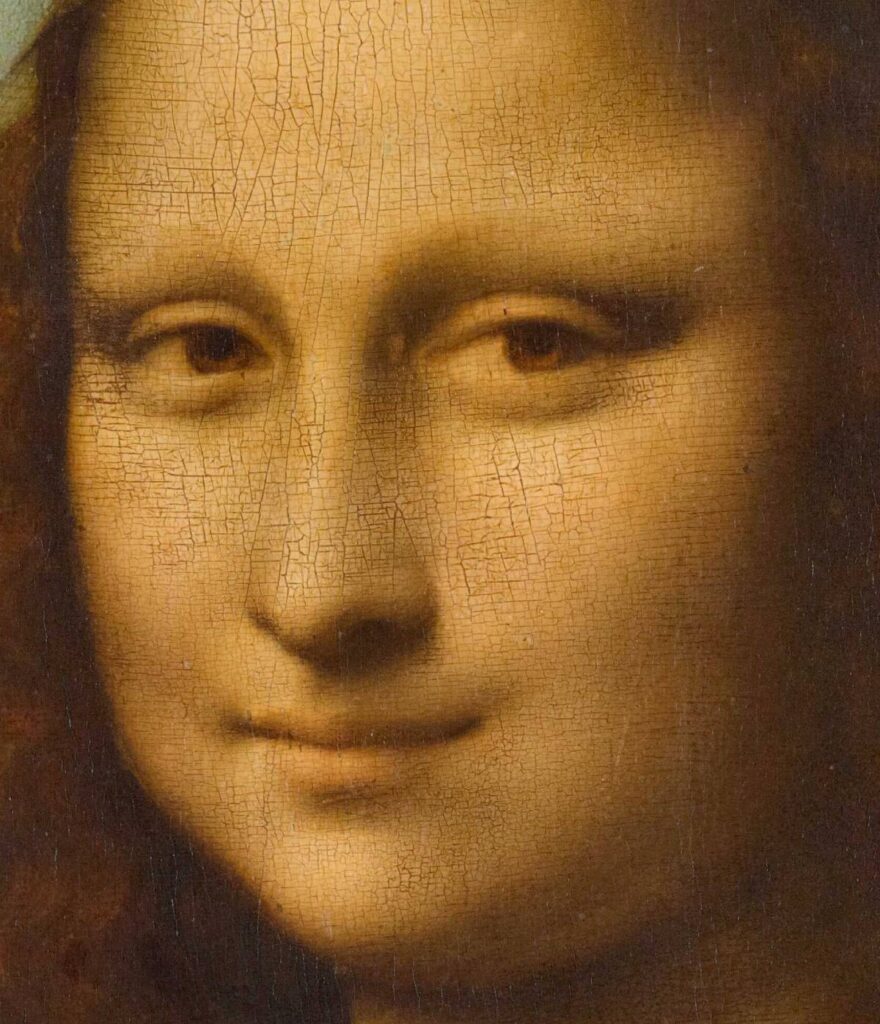
- 1. Leonardo da Vinci (1452–1519): The Renaissance genius who mastered the “Sfumato” technique and painted the Mona Lisa.
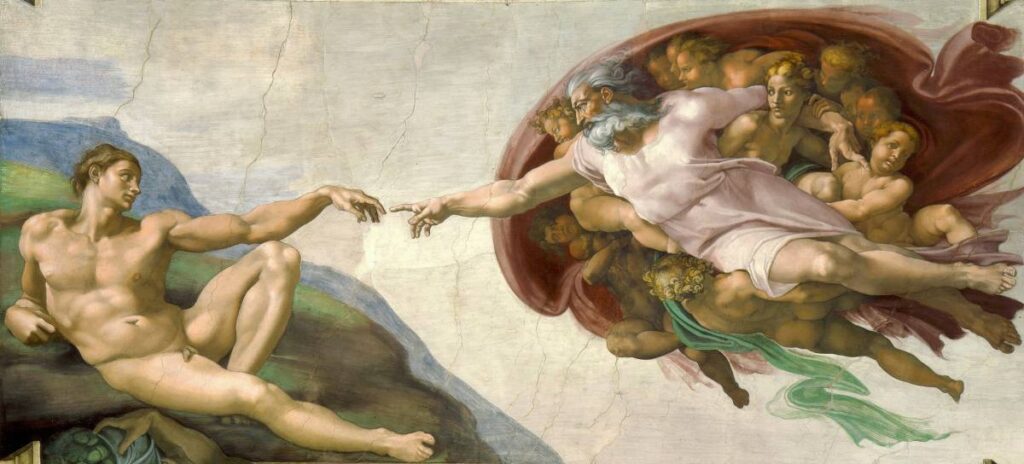
- 2. Michelangelo (1475–1564): The divine artist known for his physical realism and the Sistine Chapel Ceiling.
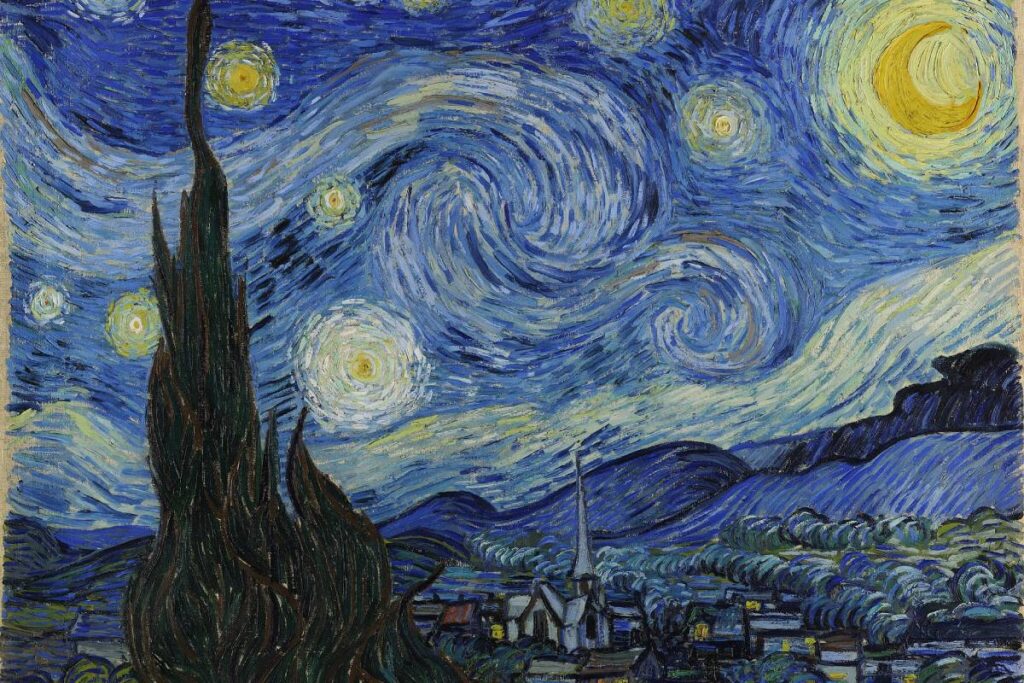
- 3. Vincent van Gogh (1853–1890): The post-impressionist icon who revolutionised emotion in art with The Starry Night.
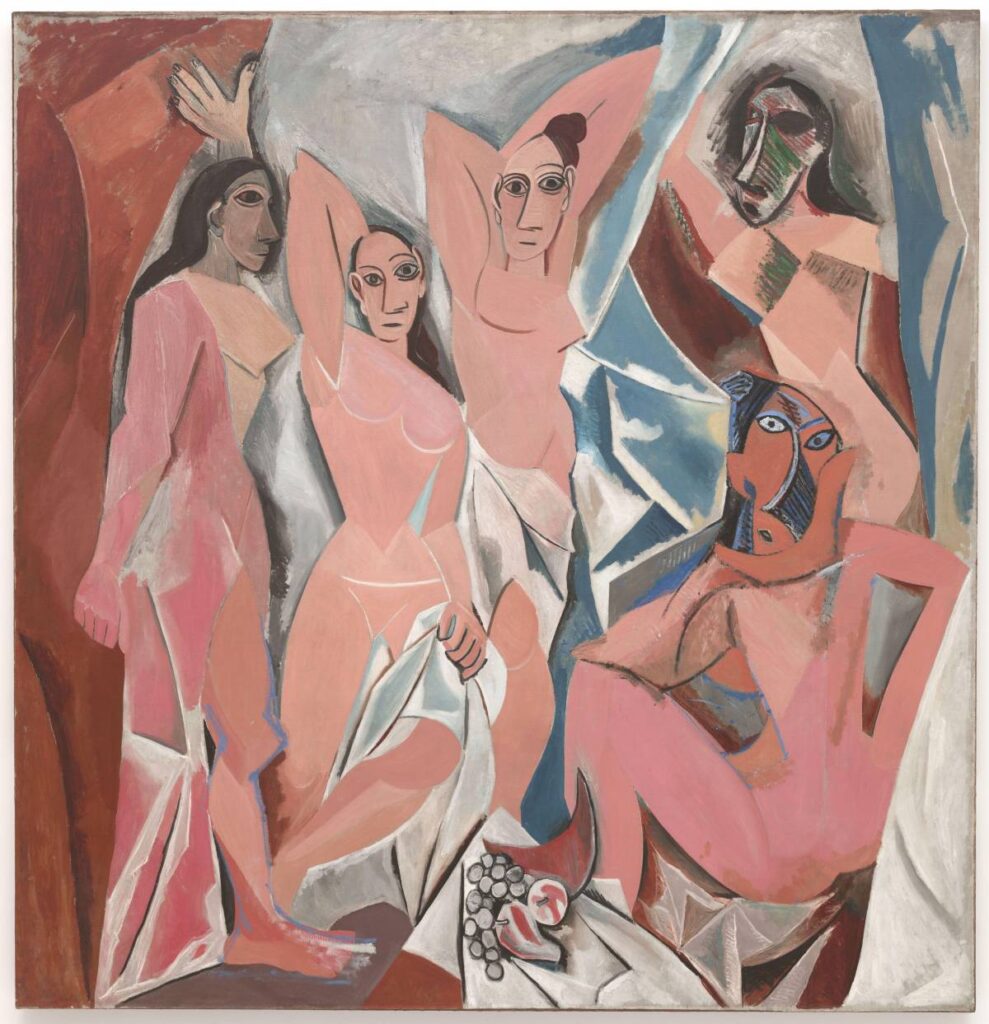
- 4. Pablo Picasso (1881–1973): The modern pioneer who co-founded Cubism and deconstructed reality with Guernica.
- 5. Rembrandt van Rijn (1606–1669): The Dutch Master of Light, famous for his psychological depth and The Night Watch.
1. Leonardo da Vinci (1452–1519)
The Renaissance Man who painted the impossible.
Leonardo is rarely disputed as the number one spot. He wasn’t just a painter; he was a scientist, engineer, and anatomist. His approach to painting was scientific—he studied how the human eye perceives light and distance, then applied it to canvas.
Why He Is 1 of the Painters
Leonardo invented Sfumato (meaning “evaporated like smoke”), a technique of blending colours so subtly that there are no visible transition lines. This created a level of realism and atmospheric depth that had never been seen before.
- Key Contribution: Perfecting atmospheric perspective and human anatomy.
- Must-See Masterpieces:
- Mona Lisa (Louvre, Paris)
- The Last Supper (Santa Maria delle Grazie, Milan)
- Salvator Mundi (Private Collection)
Did You Know? Leonardo left fewer than 20 finished paintings. His reputation rests on quality, not quantity, though his chronic procrastination highlights how perfectionism affects life satisfaction and output, even for a genius
2. Michelangelo (1475–1564)
The sculptor who painted heaven.
Michelangelo famously claimed he was a sculptor, not a painter. Yet, he produced one of the greatest feats of painting in human history: the ceiling of the Sistine Chapel. His style focused on the heroic human figure, often looking like statues come to life.
Why He Is Top 2
While Leonardo was soft and atmospheric, Michelangelo was bold and muscular. He mastered Fresco painting (painting onto wet plaster) under impossible physical conditions. His work defined the “High Renaissance” style and influenced the Mannerist movement that followed.
- Key Contribution: The glorification of the male nude and complex composition.
- Must-See Masterpieces:
- The Creation of Adam (Vatican Museums, Vatican City)
- The Last Judgment (Vatican Museums, Vatican City)
- Doni Tondo (Uffizi Gallery, Florence)
3. Vincent van Gogh (1853–1890)
The tortured soul who painted what he felt, not just what he saw.
Moving into the modern era, Van Gogh represents the shift from “realism” to “expressionism.” He didn’t care about photographic accuracy; he cared about emotional truth. His thick, swirling brushstrokes (Impasto) are instantly recognisable.
Why He Is Top 3
Van Gogh used colour to express emotion rather than reality. Yellow wasn’t just a colour; it was happiness. Blue wasn’t just the sky; it was divinity or sorrow. He produced over 2,000 artworks in just a decade, changing the course of modern art forever.
His work was a form of urgent therapy, a way to process the chaotic emotions that consumed him. Today, we might see this as a raw, historical example of the psychological benefits of mindfulness, where the act of creation grounds the artist in the present moment.
- Key Contribution: Impasto technique and symbolic use of colour.
- Must-See Masterpieces:
- The Starry Night (MoMA, New York)
- Sunflowers (National Gallery, London)
- The Potato Eaters (Van Gogh Museum, Amsterdam)
4. Pablo Picasso (1881–1973)
The man who broke reality into pieces.
If Van Gogh opened the door to modern art, Picasso kicked it down. He is the most dominant figure of the 20th century. Picasso famously said, “It took me four years to paint like Raphael, but a lifetime to paint like a child.”
Why He Is Top 4
Picasso co-invented Cubism, a revolutionary style that showed objects from multiple angles simultaneously. He proved that art didn’t have to “look like” the subject to capture its essence. His career spanned 75 years, constantly evolving through his “Blue Period,” “Rose Period,” and Cubism.
- Key Contribution: Deconstructing form and perspective (Cubism).
- Must-See Masterpieces:
- Guernica (Reina Sofía, Madrid)
- Les Demoiselles d’Avignon (MoMA, New York)
- The Old Guitarist (Art Institute of Chicago)
5. Rembrandt van Rijn (1606–1669)
The Master of Light and Shadow.
Rembrandt is the giant of the “Dutch Golden Age.” While many artists painted idealised kings and queens, Rembrandt painted real people with honesty, flaws, and incredible dignity.
Why He Is Top 5
He is the undisputed master of Chiaroscuro—the dramatic contrast between light and dark. His paintings often feature a single light source that illuminates the subject’s soul, leaving the rest in mysterious shadow. His self-portraits are considered the most revealing visual autobiography in history.
- Key Contribution: Psychological depth and dramatic lighting (Chiaroscuro).
- Must-See Masterpieces:
- The Night Watch (Rijksmuseum, Amsterdam)
- The Return of the Prodigal Son (Hermitage Museum, St. Petersburg)
- Self-Portrait with Two Circles (Kenwood House, London)

Honorable Mentions
Narrowing art history down to five is difficult. These giants just missed the cut but are essential to know:
- Claude Monet: The father of Impressionism.
- Johannes Vermeer: The master of domestic tranquillity (Girl with a Pearl Earring).
- Salvador Dalí: The king of Surrealism.
Bringing Artistry Home
While we can’t all hire Michelangelo to paint our ceilings, applying a flawless finish to your own home requires its own level of expertise. If you are inspired to create a masterpiece in your own living room, you need professionals who value precision as much as the Old Masters did.
For our readers in Australia, Pro Plasterers N Painters in Sydney are the go-to experts for high-end residential and commercial finishes. Whether it’s restoring intricate plasterwork or delivering a smooth, modern paint job, their team brings a level of craftsmanship that ensures your home looks like a work of art.
Conclusion
These top 5 painters didn’t just move paint around a canvas; they moved the world. Leonardo gave us scientific perfection, Michelangelo gave us divine form, Van Gogh gave us raw emotion, Picasso gave us a new perspective, and Rembrandt gave us the human soul.
Which of these masters speaks to you the most? If you could own just one of their paintings, which would it be? Share your favourite one on socials!