Is There a Bug Spray That Is Safe for Pets? (The Definitive Safety Guide)
Blog, Health, House & Garden Dec 02, 2025
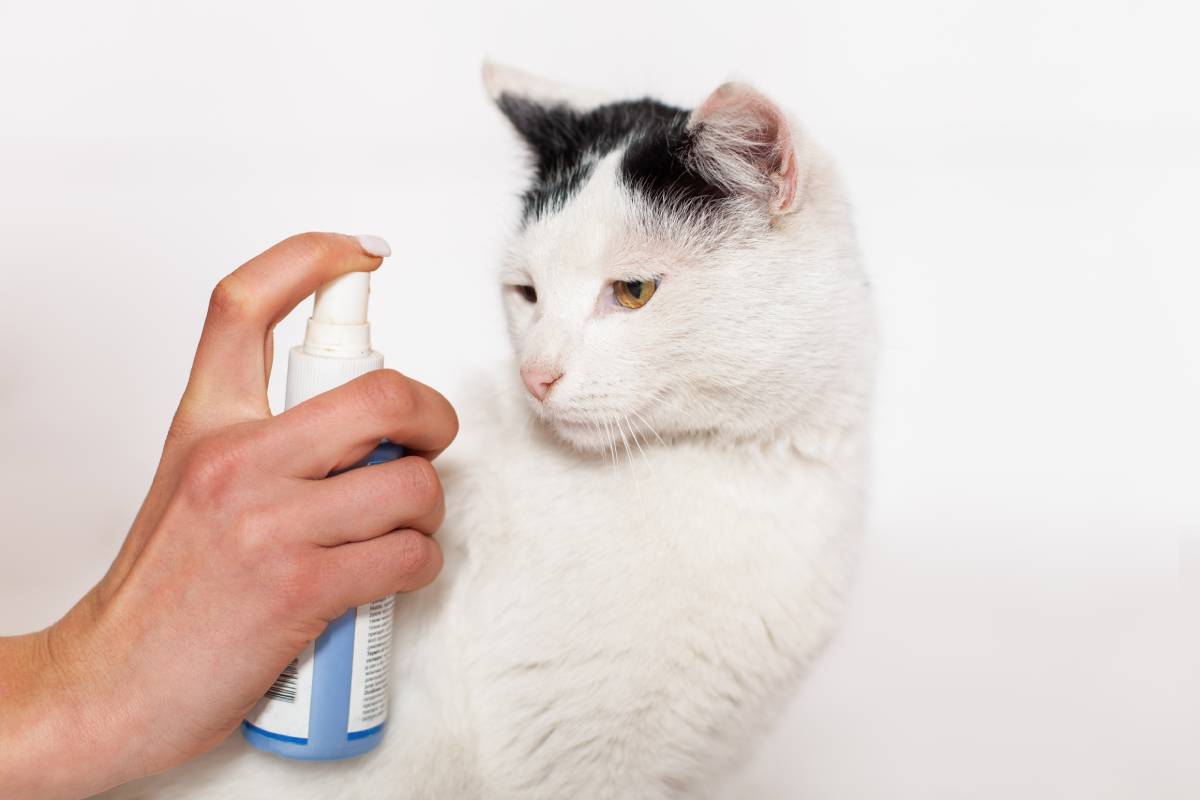
Medical Disclaimer: The content provided in this article is for informational purposes only and does not constitute veterinary advice. Always consult your veterinarian before applying new products to your pet.
Table of Contents
- The Short Answer: Can I Share My Bug Spray?
- The “Big No-Nos”: Ingredients Toxic to Pets
- The Cat vs. Dog Dilemma (Crucial Safety Info)
- Safe Active Ingredients to Look For
- Natural vs. Chemical: Busting the Myths
- Beyond the Spray: Treating the Environment
- DIY Pet-Safe Bug Spray Recipe
- How to Apply Bug Repellent Safely
- Signs of Toxicity: When to Call the Vet
- Frequently Asked Questions
The Short Answer: Can I Share My Bug Spray?
The warm weather brings two things: outdoor adventures with your pets and swarms of biting insects. As you reach for that bottle of bug spray for yourself, you might wonder, “Can I just spray a little of this on Fido?”
The immediate answer is NO. You should never use human insect repellent on your pets unless it is specifically formulated and labelled for them.
Most human bug sprays contain DEET or concentrated essential oils that, while safe for you, can cause neurological damage, seizures, or even death in dogs and cats. However, there are safe alternatives. The market is full of pet-specific repellents that use safer compounds to keep mosquitoes, ticks, and fleas at bay without risking your pet’s health.
The “Big No-Nos”: Ingredients Toxic to Pets
Before you buy any product, flip the bottle over. If you see these ingredients, keep them far away from your furry friends.
1. DEET (N, N-Diethyl-meta-toluamide)
DEET is the gold standard for humans, but it is the number one enemy for pets. Animals have different metabolic pathways from humans. If a dog or cat inhales DEET or licks it off their fur (which they inevitably will), it can lead to severe poisoning.
- Risk: High.
- Symptoms: Vomiting, staggering, seizures, and tremors.
2. Picaridin
While Picaridin is often touted as a “safer” alternative to DEET for humans, its safety profile for pets is not as well-established. While less toxic than DEET, many veterinarians recommend avoiding direct application of human-concentration Picaridin on pets until more conclusive studies are available.
3. Unverified Essential Oils
Many owners assume “natural” equals “safe.” This is a dangerous misconception. The following oils can be highly toxic, causing liver failure or respiratory distress:
- Tea Tree Oil (Melaleuca): Highly toxic, especially to cats.
- Pennyroyal: Known to cause liver damage.
- Wintergreen & Peppermint: Can be dangerous in high concentrations.
- Clove & Cinnamon: Potentially irritating and toxic if ingested.

The Cat vs. Dog Dilemma (Crucial Safety Info)
This section is perhaps the most important part of this guide. Dogs and cats are not the same.
There is a specific chemical called Permethrin.
- For Dogs: It is commonly used in flea and tick treatments (like K9 Advantix) and is generally safe when used as directed.
- For Cats: It is DEADLY.
Cats lack a specific liver enzyme needed to break down Permethrin. If you apply a dog-safe product containing Permethrin to a cat, or if your cat cuddles with a dog that has just been treated, it can cause violent tremors and death.
Safety Rule: If you own both cats and dogs, read labels obsessively. Look for “Cat Safe” certification, or avoid Permethrin entirely to prevent accidental cross-contamination.
Safe Active Ingredients to Look For
When shopping for a “pet-safe” bug spray, look for products that utilise these vet-approved active ingredients.
1. Cedarwood Oil
Cedarwood is a superstar in the pet world. It works by leaching moisture from insects and disrupting their pheromones, effectively repelling and killing fleas, ticks, and mosquitoes. It is generally recognised as safe for both dogs and cats when properly diluted.
2. Lemongrass & Citronella (Formulated for Pets)
While pure Citronella candles are a respiratory irritant, veterinary-formulated sprays using diluted Lemongrass or Citronella oils are popular natural options.
- Note: Ensure the product explicitly states it is safe for your specific animal. Cats are more sensitive to citrus-based oils than dogs.
3. Neem Oil
Native to India, Neem oil is a natural pesticide. It is effective against fleas and mosquitoes and promotes healthy skin. However, it has a strong, garlic-sulphur smell that some owners (and pets) find unpleasant.
Natural vs. Chemical: Busting the Myths
Myth: “If I make it in my kitchen, it can’t hurt my dog.” Fact: Concentrated essential oils can burn a pet’s skin or cause organ failure. Always dilute.
Myth: “Chemicals are always bad.” Fact: Synthetic preventatives prescribed by vets (like oral flea/tick chews) are often the safest and most effective method because they have undergone rigorous FDA or EPA testing.
The Verdict: For heavy infestations (deep woods hiking), a veterinary-prescribed oral preventative combined with a natural topical spray often provides the best balance of safety and protection.

Beyond the Spray: Treating the Environment
Applying repellent to your pet is a reactive measure. To truly ensure their safety, you should also take proactive measures to reduce the pest population in your home and yard. However, you must be just as careful with lawn treatments as you are with topical sprays.
Many commercial lawn pesticides require you to keep pets off the grass for 24-48 hours.
However, indoor pest control requires the same level of caution as outdoor prevention. If you are battling household infestations, it is vital to research what sort of treatments will control and remove cockroaches or other insects without leaving toxic residues on floors where your pets sleep and groom.
If you are dealing with a severe infestation and need professional help, look for companies that prioritise animal welfare in their chemical selection.
For instance, experts like SWAT Pest Control Brisbane are known for utilising treatment plans that effectively target pests while being mindful of the safety of household pets. Consulting with professionals who understand the delicate balance between pest eradication and pet safety can significantly reduce the need for you to constantly spray your animal.
DIY Pet-Safe Bug Spray Recipe
If you are in a pinch and need a gentle repellent for a backyard BBQ, you can whip up this simple mixture.
Ingredients:
- 1 cup Water (Distilled or boiled)
- 1/2 cup Apple Cider Vinegar (insects hate the smell/taste)
- 5 drops Lavender Oil (high quality)
- 5 drops Cedarwood Oil (high quality)
Instructions:
- Mix all ingredients in a clean spray bottle.
- Shake rigorously before every use (oil and water separate).
- Patch Test: Spray a tiny amount on your pet’s back leg and wait 24 hours to check for redness or itching.
- Mist lightly over the coat, avoiding the face, eyes, and genitals.
Warning: Do not use this on cats without consulting a vet, as their sensitivity to essential oils varies greatly.
How to Apply Bug Repellent Safely
Even with a safe product, user error can lead to issues.
- The “Bandana Method”: If your pet has sensitive skin, don’t spray them directly. Spray a bandana, let it dry for a minute, and then tie it around their neck.
- Protect the Eyes: Never spray the face. Spray the product onto your hands and gently rub it onto the ears and top of the head.
- Wash it Off: Once you are back indoors, wipe your pet down with a damp towel to remove residue, preventing them from ingesting it while grooming later.
Signs of Toxicity: When to Call the Vet
If you suspect your pet has been exposed to a toxic bug spray (like DEET) or is having a reaction to a natural product, watch for these signs:
- Excessive Drooling: This is often the first sign of nausea or chemical burn in the mouth.
- Vomiting or Diarrhea: The body is trying to purge the toxin.
- Tremors or Seizures: Indicates neurological impact (common with Permethrin in cats).
- Lethargy: Uncharacteristic tiredness or unresponsiveness.
Action Plan: If you see these signs, bathe your pet immediately with mild dish soap (like Dawn) to remove the chemical from the skin and call your veterinarian or the Pet Poison Helpline (855-764-7661) immediately.
Frequently Askted Questions
Q: Is “Off!” brand bug spray safe for dogs? A: Generally, no. Most “Off!” products contain DEET or Picaridin. Unless the specific bottle is labelled “Pet Safe” or “Botanical for Dogs,” do not use it.
Q: Can I use baby bug spray on my puppy? A: No. Human babies and puppies are not the same. Ingredients safe for an infant can still be toxic to a dog.
Q: Does garlic repel fleas on dogs? A: Do not feed your dog garlic. While some sources claim it repels fleas, garlic is toxic to dogs and cats and can cause anemia (damage to red blood cells). The risk outweighs the benefit.
Final Thoughts
Is there a bug spray safe for pets? Yes, but you must choose wisely. Stick to products specifically formulated for animals, avoid DEET at all costs, and when in doubt, consult your veterinarian. Your pet relies on you to keep them safe—from both the bugs and the bottle.