Is Home Automation Actually Worth It for Everyday Living?
Business, House & Garden Feb 11, 2026
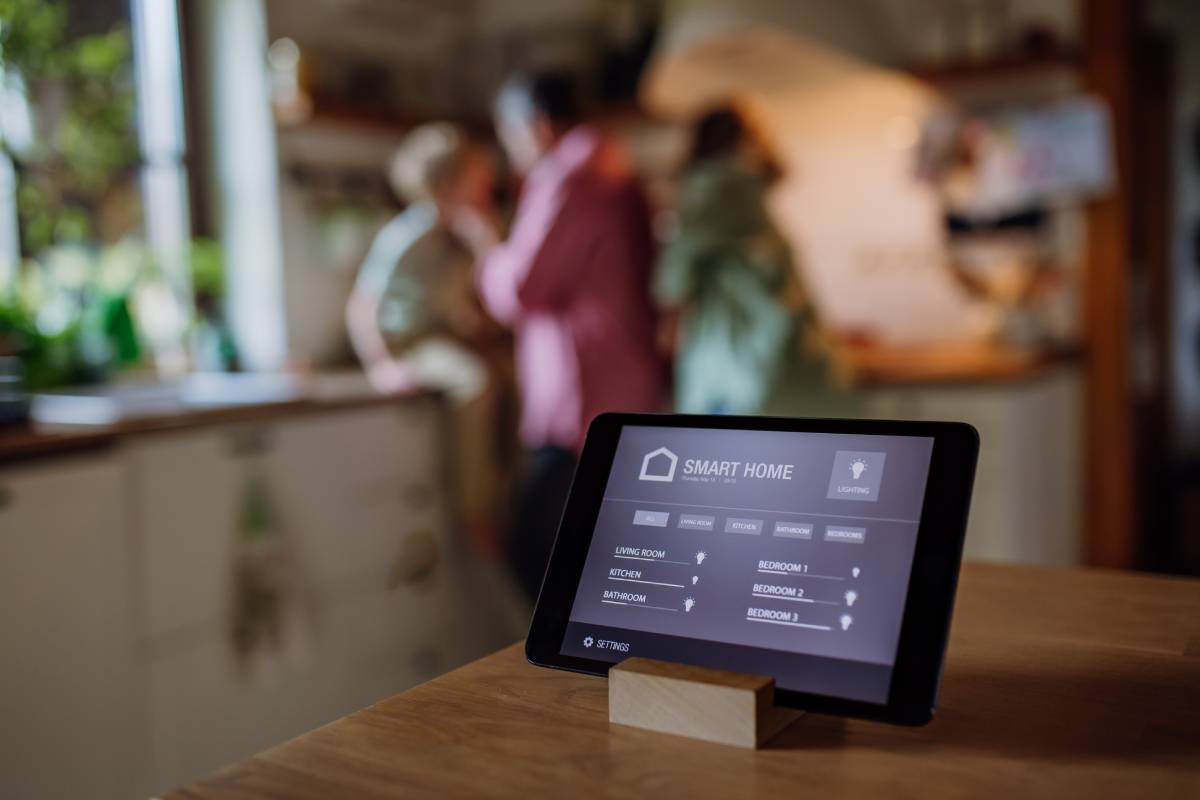
TL;DR Is home automation worth it?
Yes, for most homeowners, home automation is worth the investment—specifically for energy savings and security. A well-integrated smart ecosystem can reduce HVAC and lighting costs by 10–15% annually while significantly lowering the “mental load” of daily household management. However, purely “convenience” gadgets (like smart fridges) often yield a lower ROI compared to utility-focused devices like smart thermostats and leak detectors.
The Reality Check: Gimmick vs. Game Changer
You’ve probably seen the ads: a smiling homeowner taps their phone, and the lights dim, the music starts, and the blinds close. It looks magical.
But let’s be real. In the chaos of everyday life between work deadlines, grocery runs, and family commitments, does turning on a light bulb with your voice actually change your life? Or is it just another expensive toy that will disconnect from the Wi-Fi in six months?
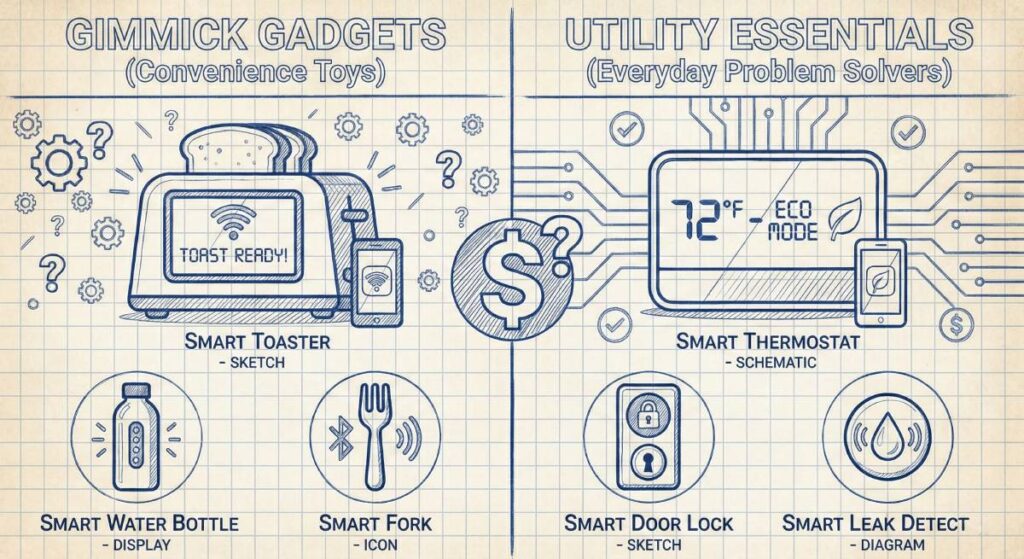
The answer lies in distinguishing between Lifestyle Automation (convenience) and Utility Automation (efficiency).
- Lifestyle Automation: Voice-activated popcorn makers, smart toilets, or app-controlled coffee mugs. Fun? Yes. Essential? Rarely.
- Utility Automation: Smart thermostats, automated locks, water leak detectors, and security cameras. These solve actual problems: high bills, lost keys, and home safety.
The Financial Argument: Hard ROI Numbers
If we strip away the “cool factor,” does the math work? For many, the barrier to entry is the upfront cost. Let’s break down the Return on Investment (ROI) for the most common entry points.
Smart Thermostats (The Heavy Hitters)
Heating and cooling account for nearly 50% of the average home’s energy bill.
- The Tech: Devices like Ecobee or Nest learn your schedule and adjust temps when you leave (Geofencing).
- The Savings: EPA studies suggest an average savings of 8% on heating and 10-15% on cooling.
- The Math: If you spend $2,000/year on energy, saving 12% is **$240/year**. A $200 thermostat pays for itself in less than a year.
To maximize these savings, ensure your cooling hardware is efficient; for example, understanding when to use a portable AC versus a split system can help your smart thermostat manage the load more effectively
Smart Lighting & Plugs
- The Tech: LED bulbs and plugs that turn off “vampire appliances” automatically.
- The Savings: Modest. You might save $10–$20 per year per room. These are convenience plays, not financial windfalls.
Insurance Discounts
Many insurers offer discounts (typically 5–20%) if you install monitored security systems or water leak detectors. A single prevented pipe burst (average claim: $10,000+) makes a $50 water sensor the best investment in your home.
| Device Category | Initial Cost (Avg) | Est. Annual Savings | ROI Break-Even Point |
| Smart Thermostat | $150 – $250 | $150 – $240 | ~1 Year |
| Smart Plugs (x5) | $50 – $100 | $20 – $40 | 2 – 3 Years |
| Leak Detectors | $50 – $150 | Potential $10k+ (Disaster prevention) | Immediate upon incident |
The “Mental Load” ROI: Convenience & Security
Money isn’t the only currency; time and sanity matter too. This is where Semantic SEO meets User Psychology. The true value of home automation is often the reduction of cognitive load.
The “Did I Lock the Door?” Anxiety
We’ve all been there. You’re halfway to work and panic sets in.
- Without Automation: You drive back home (30 mins lost) or stress all day.
- With Automation: You check the app, see it’s locked, or lock it remotely. Peace of mind: Instant.
Aging in Place (Accessibility)
For elderly family members or those with mobility issues, automation is transformative, not luxurious. Voice commands to control lights or answer the door can extend independence by years.
Pro Tip: The “Goodnight” Scene
Don’t program devices individually. Create “Scenes”. The real power is saying “Goodnight” and having the doors lock, garage close, thermostat drop 3 degrees, and security cameras arm all at once. This saves you 5 minutes of “house checks” every single night. That’s 30 hours a year reclaimed.
The Hidden Costs: Privacy, Compatibility & Obsolescence
To maintain trust, we must address the downsides.
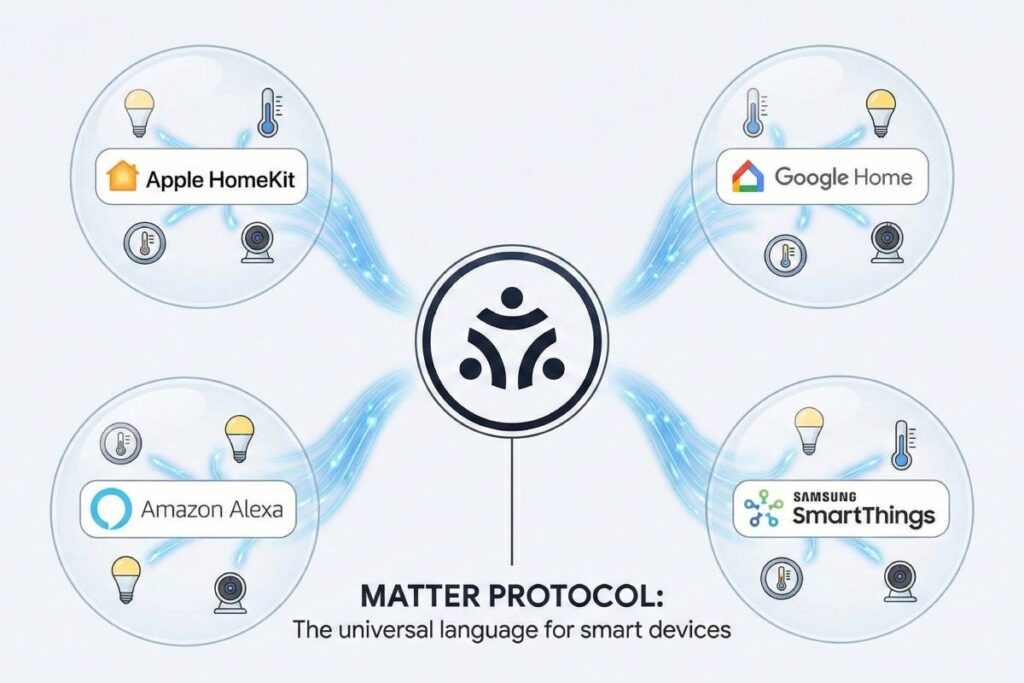
The “Walled Garden” Problem
Buying a Google Nest camera, an Amazon Echo, and Apple HomeKit bulbs used to be a nightmare. They didn’t talk to each other.
- The Fix: Look for the Matter logo. Matter is a new universal language for smart home devices, allowing them to work together regardless of the brand.
Data Privacy
Smart devices collect data. Your thermostat knows when you’re home; your camera sees who visits.
- Mitigation: Stick to reputable brands that offer 2-Factor Authentication (2FA) and local storage options (saving video to an SD card rather than the cloud).
Tech Support Fatigue
If your Wi-Fi goes down, your house might “break.” Are you prepared to troubleshoot your light switch? If you aren’t tech-savvy, this friction can outweigh the benefits.
Who Needs It? A Buyer’s Guide
Is it worth it for you? Find your persona below:
- The Busy Parent:YES. Remote locks for latchkey kids and cameras to check on pets are invaluable.
- The Budget Hawk:YES (Selectively). Stick to smart thermostats and leak detectors. Skip the smart fridge.
- The Renovation Planner:ABSOLUTELY. If you are building or renovating, hardwiring a system now is 10x cheaper than retrofitting later.
- The Renter:MAYBE. Focus on “non-invasive” tech like smart plugs and voice assistants that don’t require wiring.
- The Technophobe:NO. If you hate updating your phone, you will hate updating your house. Stick to manual switches.
Expert Insight: For complex installations involving integrated security or whole-home audio, DIY can quickly become a headache. In Australia, we recommend consulting specialists like Reds Smart Home Solutions in Sydney to ensure your network infrastructure can actually handle the load of 50+ connected devices.
Conclusion
So, is home automation actually worth it for everyday living?
If you approach it as a way to solve specific problems high energy bills, security anxiety, or accessibility needs the answer is a resounding yes. The technology has matured from “gimmicky gadgets” to essential infrastructure.
However, if you buy random devices without a plan, you’ll end up with a cluttered phone, drained batteries, and an empty wallet. Start small. Fix one pain point. Then, watch how your home starts working for you, rather than the other way around.
The real question isn’t “is it worth it,” but rather: how much is your peace of mind worth?