Best Home Solar Battery in 2026 + 10kW Costs
Blog, House & Garden Mar 20, 2026
- TL;DR: Which Battery is Best for a Home Solar System?
- Understanding Solar Battery Types: What the Chemistry Actually Means
- Top Solar Batteries Available in Australia (2026)
- How Much Does a 10kW Solar Battery Cost in Australia?
- How to Choose the Right Solar Battery for Your Home
- State-Based Rebates and VPP Programmes
- Conclusion
- Frequently Asked Questions
Why Most Homes Get the Battery Decision Wrong
You’ve done your research. You’ve got solar panels on the roof and a growing electricity bill that just won’t quit. Adding a battery feels like the obvious next step. But here’s the frustrating part: you search for answers and you find either a vague global product ranking that ignores Australian pricing, or a salesperson’s website dressed up as advice.
The stakes are real. A quality home battery system in Australia costs anywhere from $8,000 to $18,000 installed. Getting this wrong doesn’t just waste money. It means a system that underperforms your home’s actual needs for the next decade.
The good news is that choosing the right battery is not complicated once you understand four things: chemistry, capacity, compatibility, and cost. This guide covers all of them, with real Australian pricing for 2026.
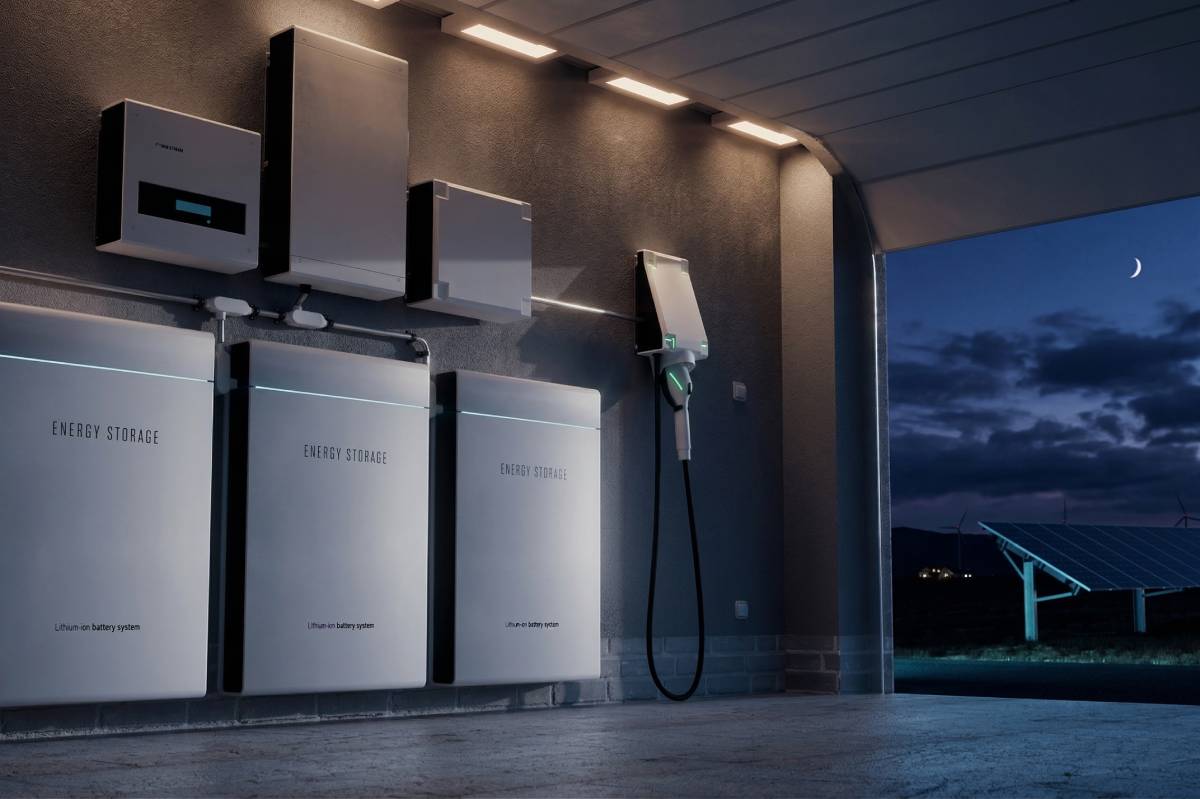
TL;DR: Which Battery is Best for a Home Solar System?
For most Australian homes, a lithium iron phosphate (LFP) battery is the best choice. The BYD Battery-Box Premium HVS, Tesla Powerwall 3, and Sungrow SBR are the top performers in 2026. A 10kW solar battery system typically costs between $9,000 and $14,000 installed in Australia, depending on brand and state incentives.
Understanding Solar Battery Types: What the Chemistry Actually Means
Not all batteries use the same internal chemistry, and that difference has a direct impact on safety, lifespan, and value for money.
Lithium Iron Phosphate (LFP)
LFP is currently the gold standard for residential solar storage. It offers a longer cycle life (typically 4,000 to 6,000 charge cycles), excellent thermal stability, and no risk of thermal runaway under normal operating conditions. Most leading brands in Australia now use LFP cells.
Best for: Long-term investment, homes in warm climates, safety-conscious buyers.
Nickel Manganese Cobalt (NMC)
NMC batteries offer higher energy density, meaning more storage in a smaller physical footprint. However, they have a shorter cycle life and are more sensitive to heat compared to LFP. Earlier iterations of the Tesla Powerwall used NMC chemistry.
Best for: Homes with limited installation space.
Lead Acid (including AGM)
Lead-acid batteries are the oldest technology and the cheapest upfront. However, they have a significantly shorter lifespan, lower depth of discharge (typically 50%), and require more maintenance. They are increasingly rare in modern residential solar installations.
Best for: Off-grid cabins or very tight budgets where longevity is less critical.
Top Solar Batteries Available in Australia (2026)
| Battery | Chemistry | Usable Capacity | Warranty | Approx. Installed Cost (AUD) | CEC Approved |
| Tesla Powerwall 3 | LFP | 13.5 kWh | 10 years | $14,000 – $16,000 | Yes |
| BYD Battery-Box Premium HVS | LFP | 10.24 – 20.48 kWh (scalable) | 10 years | $10,000 – $15,000 | Yes |
| Sungrow SBR HV | LFP | 9.6 – 25.6 kWh (scalable) | 10 years | $9,000 – $13,500 | Yes |
| Alpha ESS Smile-B3 | LFP | 5.7 – 17.1 kWh (scalable) | 10 years | $8,500 – $12,000 | Yes |
| Enphase IQ Battery 5P | LFP | 5 kWh per unit | 15 years | $6,500 – $8,000 per unit | Yes |
Key takeaway: All top-tier options now use LFP chemistry and carry a 10-year warranty. The major differentiators are scalability, inverter compatibility, and brand support in your local area.
How Much Does a 10kW Solar Battery Cost in Australia?
This is where the numbers get practical. A “10kW solar battery” is a common search term, but it is worth clarifying what it means. Batteries are rated in kilowatt-hours (kWh) for storage capacity, not kilowatts. A 10kWh battery stores 10 units of electricity.
What Does 10kWh Actually Power?
- An average Australian home uses 18 to 22 kWh per day
- A 10kWh battery covers roughly half a day of typical household use
- It is well-suited to homes that want backup for evening peak hours or overnight usage
2026 Installed Cost Breakdown for a 10kWh Battery System
| Cost Component | Estimated Price (AUD) |
| Battery unit (10kWh LFP) | $5,500 – $8,000 |
| Inverter or hybrid inverter | $1,500 – $3,000 |
| Installation labour | $800 – $1,500 |
| Electrical switchboard upgrades (if needed) | $400 – $900 |
| Total Installed Cost | $8,200 – $13,400 |
Prices vary by state, installer, and whether you already have a compatible solar inverter. Always request at least three quotes from Clean Energy Council-accredited installers. For Sydney homeowners, Solar Fit Solutions in Sydney is a CEC-accredited installer with hands-on experience sizing and installing home battery systems across the greater Sydney region.
Return on Investment: Is It Worth It?
At current electricity rates (averaging $0.30 to $0.38 per kWh in Australia), a 10kWh battery that fully cycles daily can save approximately $1,095 to $1,387 per year on grid electricity costs. At that rate, payback periods typically range from 6 to 10 years for most households, before accounting for any rebates.
How to Choose the Right Solar Battery for Your Home
Follow these steps to find the battery that actually fits your situation rather than just what a salesperson recommends.
- Calculate your actual daily energy usage. Pull three months of electricity bills and find your average daily kWh consumption. Your battery should cover at least your evening and overnight usage profile. Keep in mind that factors like your home elevation, roof pitch, and panel orientation all influence how much solar energy your system generates daily, which directly affects how hard your battery works.
- Check inverter compatibility. If you already have a solar system, your battery must be compatible with your existing inverter, or you will need a hybrid inverter as part of the upgrade. Always confirm this before purchasing.
- Decide on your primary goal. Are you trying to reduce peak tariff costs, achieve full energy independence, or add backup power during outages? Each goal points to a different capacity and configuration.
- Verify CEC approval. Only batteries on the Clean Energy Council’s approved product list are eligible for government rebates and Virtual Power Plant (VPP) programmes in Australia.
- Request itemised quotes. A genuine quote should break down the hardware cost, installation labour, any switchboard upgrades, and GST separately. Lump-sum quotes make it very hard to compare value.
- Ask about local after-sales support. A battery brand with a local distributor network will be far easier to deal with if you need warranty service three years from now.
State-Based Rebates and VPP Programmes
Australian battery buyers have access to several financial incentives that can meaningfully reduce the cost of installation.
Victoria: Solar Homes Battery Loan
The Victorian Government offers an interest-free loan of up to $8,800 for eligible households to install a solar battery. This is available to owner-occupiers with an existing solar panel system.
South Australia: Home Battery Scheme
South Australia’s Home Battery Scheme provides subsidies of up to $400 per kWh of battery storage (capped at $2,000 for most households) through approved retailers.
New South Wales: Empowering Homes Program
The NSW Government offers interest-free loans for solar battery systems through the Empowering Homes program. Loan amounts up to $9,000 are available for battery-only installations.
Virtual Power Plants (VPPs)
Several energy retailers, including AGL, Origin, and Simply Energy operate VPP programmes where your battery is connected to a smart grid. In exchange for allowing the retailer to draw on your battery during peak grid demand, you typically receive bill credits or reduced feed-in tariff rates. This can improve your return on investment significantly over the life of the battery.
Check eligibility before you buy. Rebate availability, amounts, and eligibility criteria change frequently. Always confirm current details directly with your state energy authority or the Clean Energy Council website before committing to a purchase.
Conclusion
Choosing the best battery for your home solar system in 2026 comes down to matching your household’s actual energy needs with a quality LFP product from a brand that has genuine support infrastructure in Australia. For most homes, the BYD HVS, Tesla Powerwall 3, or Sungrow SBR will deliver reliable performance across a 10-year warranty period, with installed costs for a 10kWh system sitting between $9,000 and $14,000.
The short version:
- LFP chemistry is safer and longer-lasting than alternatives
- A 10kWh battery suits most average-sized Australian homes
- Installed costs range from $8,200 to $13,400 before rebates
- State rebates and VPP programmes can cut your payback period significantly
- Always use a CEC-accredited installer and get at least three quotes
As battery technology improves and costs continue to fall, the case for home energy storage only gets stronger. The real question worth sitting with is this: given how much electricity prices have risen in the past five years, how much more will you pay by waiting another year to make the switch?