Does Solar Actually Add Value to a Perth Property? What Buyers Are Really Looking For
Business, House & Garden Aug 02, 2026
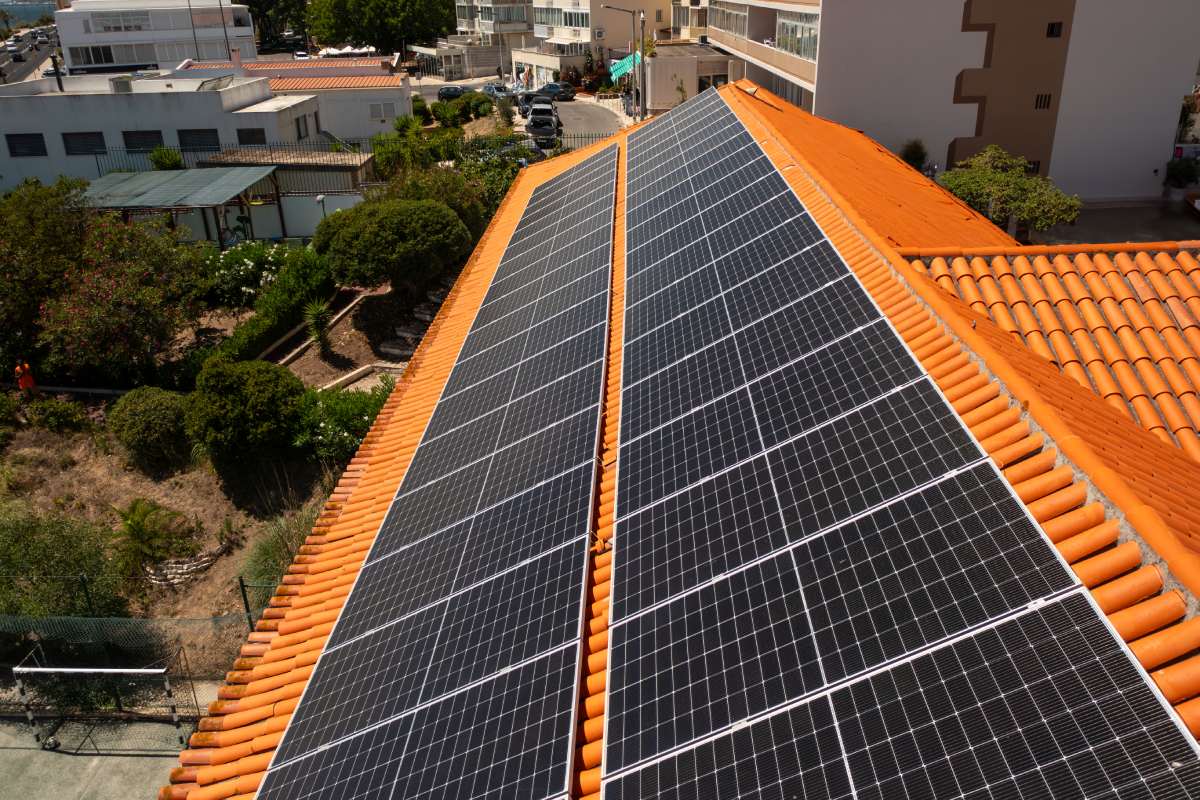
Property value conversations usually centre on kitchens, bathrooms, and street appeal. But there’s a quieter factor increasingly showing up in buyer decisions across Perth: whether the home already has solar, and if so, how good the system actually is.
With electricity costs climbing and buyers factoring ongoing running costs into their offers, a well-installed solar system is shifting from “nice to have” to something buyers actively ask about during inspections — and in some cases, something that influences which of two comparable properties gets the offer.
TL;DR: Yes, solar power increasingly adds value to Perth properties by answering buyers’ concerns about rising electricity bills—provided the system is well-sized, uses quality components, and comes with full compliance paperwork. An outdated or poorly installed system, however, can be seen as a liability.
Key Takeaways
- Buyer Priorities Have Shifted: Rising energy prices mean prospective buyers actively calculate running costs during open homes. A visible, functional solar setup signals a well-maintained, cost-efficient home.
- Quality Over Quantity: Buyers and building inspectors look closely at inverter quality, panel condition, and installation standards. A cheap or aging system with a dying inverter can be flagged as a future replacement expense rather than a selling feature.
- Paperwork Is Essential: Conveyancers and buyers expect compliance certificates, warranty records, and proof of licensed installation during due diligence. Missing documentation creates risk and can lead to lower offers.
- Battery Storage Adds Value: Pairing solar with battery storage offers energy independence and outage protection, making the property significantly more attractive.
- Tips Before Selling:
- Ensure system size matches the property’s actual energy usage.
- Use a reputable installer with quality, reliable brand components.
- Keep all compliance, warranty, and maintenance records organised from day one.
Why Buyers Care More Than They Used To
A few years ago, solar was treated as a minor bonus — pleasant, but not something that moved a sale price. That’s changed. Rising energy prices mean buyers are doing rough mental math at every open home: what will this property actually cost to run? A home with an established, well-sized solar system answers that question before it’s even asked, and it does so with a tangible, verifiable number rather than a vague promise of “lower bills.”
This mirrors a broader shift in how buyers assess presale value more generally. Just as a well-maintained lawn quietly signals a well-maintained property before a buyer’s even inside the front door, a visible, tidy solar installation on the roof does something similar — it signals lower running costs and a homeowner who’s invested in the property’s long-term efficiency, not just its surface presentation. Buyers increasingly read these signals as proxies for how well the rest of the property has been looked after, even in areas they can’t directly inspect.
Not All Solar Systems Add the Same Value
Here’s where it gets more nuanced than “solar equals value.” Buyers, or their building inspectors, increasingly look past the panels themselves to the quality of the installation: inverter age and brand, mounting condition, cable management, and whether the system size actually matches the property’s usage profile. A tired, ageing system with a near-obsolete inverter can actually work against a sale, since a buyer’s inspector may flag it as a near-term replacement cost rather than a selling point.
Battery storage is becoming part of that same conversation. A solar system paired with a well-specified battery offers something a panels-only setup doesn’t: genuine energy independence, including backup during outages, and the ability to use self-generated power in the evening rather than exporting it during the day for a low feed-in return. If you’re weighing up whether to add storage to an existing or planned solar system, our breakdown of the best home solar battery options and what a 10kW system actually costs in 2026 is a useful reference point before committing, since battery specification varies a lot in both price and real-world performance, and an oversized or undersized battery can undermine the value case just as easily as a poorly sized solar array.
Documentation Matters as Much as the Hardware
Something sellers frequently overlook: a solar system without proper paperwork is a harder sell than one with it. Buyers’ conveyancers typically ask for compliance certificates, warranty documentation, and evidence of a licensed installation as part of due diligence. A system that can’t produce this documentation — even if it’s performing perfectly well — introduces uncertainty that cautious buyers tend to price in as risk, which can translate directly into a lower offer or a request for a pre-settlement inspection.
Keeping installation paperwork, inverter warranties, and any maintenance records together from day one makes this a non-issue at sale time, rather than a scramble to track down documentation from an installer who may no longer be trading years later.
Where Solar Fits Into the Bigger “Smart Home” Picture
Solar increasingly sits alongside other efficiency and automation upgrades in how buyers assess a modern property. Smart thermostats, automated lighting, and integrated energy monitoring are all part of the same broader conversation about whether a home is genuinely efficient or just presented to look that way. If you’re weighing up which upgrades are worth the spend before listing, it’s worth reading our analysis of whether home automation is actually worth it — solar tends to be the upgrade with the clearest and most measurable payback of the bunch, but it performs even better as part of a coherent efficiency story rather than a standalone feature bolted on right before a listing goes live.
What This Means If You’re Planning to Sell
For homeowners in Perth considering solar ahead of a future sale, a few things matter more than simply “getting panels installed”:
- System sizing matched to the property, not oversized or undersized relative to typical usage, since an obviously mismatched system reads as a red flag to a buyer’s inspector
- Quality components, since buyers and inspectors increasingly check inverter brand and installation standard rather than just panel count
- Proper documentation, including warranties and compliance certificates, which buyers’ conveyancers will ask for during due diligence
- A reputable installer, since a poorly installed system is a liability during due diligence, not an asset, and can actively work against the sale price
- Timing relative to sale, since a system installed years before listing has a proven track record a buyer can verify, which carries more weight than a brand-new system with no history
Working with an experienced local team matters here, particularly if solar is going in specifically ahead of a future sale rather than purely for personal use. Solar Installation Perth designs residential and commercial systems tailored to the property’s actual roof structure and energy usage rather than a generic package, which is exactly the kind of properly specified installation that holds up under buyer scrutiny at resale.
The Bottom Line
Solar has moved from a value-neutral inclusion to a genuine consideration in how Perth buyers assess a property. The system needs to be well-specified and properly documented to actually contribute to that value — a cheap, mismatched installation won’t carry the same weight as a system a buyer can trust is going to perform for years, not just look good on the roof during the open home.